
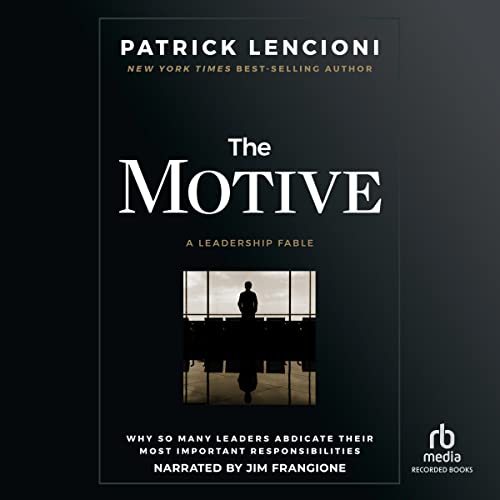
Today I finished The Motive by Patrick Lencioni, a repeat read. First time I read it was three and half years ago when the book was just published. I read this book to remind myself why I chose to be a people manager or leader. In today’s business landscape, leadership has become a term that many aspire to but few genuinely understand. Patrick Lencioni, renowned for his impactful leadership fables, sheds light on the true essence of leadership in his insightful book, “The Motive.” Delving deep into the core reasons that drive individuals to lead, Lencioni prompts a reflective analysis of the true motives behind leadership. Here are the key takeaways:
Two Faces of Leadership
Lencioni identifies two primary reasons people step into leadership roles:
- Reward-Centered Leadership: For these individuals, leadership is the ultimate trophy – a testament to their hard work and achievements. Their focus leans towards the privileges, status, and benefits of the role, often overshadowing their responsibilities.
- Responsibility-Centered Leadership: These leaders embrace their roles, driven by a profound understanding of the duties and obligations it entails. They place the well-being of their teams and the success of the organization above personal gains.
The Misconception of Leadership as a Prize
A central theme of “The Motive” is the clear distinction between leadership as a personal reward versus a role of service. Lencioni argues that leadership isn’t a gold medal for past accomplishments. Instead, it’s a commitment, requiring sacrifices and an unwavering dedication to serving others.
The Ripple Effect of Motive
The underlying motive of a leader has far-reaching implications, influencing their decisions, behaviors, and overall effectiveness. Leaders propelled by genuine responsibility and service naturally prioritize actions beneficial to the organization and its people.
Five Omissions of Reward-Centered Leadership
Lencioni pinpoints five crucial responsibilities that leaders motivated by rewards often overlook:
- Developing the Leadership Team: The lack of effort in cultivating a cohesive leadership team.
- Managing Subordinates: Passive management or avoidance of direct report supervision.
- Having Difficult Conversations: Dodging crucial, albeit uncomfortable, discussions.
- Running Great Team Meetings: Undermining the importance of productive team interactions.
- Communicating Constantly and Clearly: A failure to ensure transparent and regular communication.
Leadership Under the Limelight
Every move a leader makes is in an ‘arena’ of constant observation. This notion amplifies the significance of consistent, genuine actions in line with a leader’s proclaimed motives.
Complacency: The Silent Foe
Achieving a level of success can be a double-edged sword. Lencioni warns leaders of the lurking danger of becoming self-satisfied, which can subtly shift their focus from responsibility-centered actions to seeking rewards.
The Power of Self-Reflection
One of the most potent tools in a leader’s arsenal is introspection. Regular self-evaluation ensures leaders remain aligned with the right motives, fulfilling their true responsibilities.
In conclusion, “The Motive” is more than just a leadership book. It’s a call to action, urging current and aspiring leaders to look deep within and ask the tough question: “Why do I lead?” With its powerful insights, Lencioni challenges the contemporary narrative of leadership, steering it back to its authentic, service-driven roots.

 Leader's Whiteboard